1 axis · sequence → structure
Largely solved
Protein structure
~105 structures
AlphaFold was trained on about 170,000 structures that took scientists 50 years to collect.
AI + experimental drug discovery
We make millions of new molecules, test them on living cells, and train AI models on what happens.
The problem
AlphaFold worked because fifty years of solved protein structures were there to learn from. Nobody has that kind of data for what drugs do to cells.
AlphaFold was trained on about 170,000 structures that took scientists 50 years to collect.
Virtual-cell models are now training on large atlases of gene knockouts.
Every drug, target and cell type combine differently. A gene knockout is not a drug, and public data covers very little of this.
We built a lab platform that makes large chemical libraries and measures what each molecule does to living cells, much faster and more cheaply than standard screening. It can also read out the molecular changes behind each effect, in the same cells. We design every library so a model can learn from it.
How it works
We make molecules, test them on cells, train models on the results, and use the models to choose the next batch. Then we go around again.
We build large libraries of new small molecules, peptides and macrocycles, laid out so we can tell which part of a molecule caused which effect.
What comes out
Every screen that trains our models also produces starting points for new drugs, each with structure–activity data and a working idea of how it acts.
A single screen turns up many chemical series, and the structure–activity, mechanism and off-target signals all come from that same experiment.
Our models predict what a molecule will do to cells before we make it. That’s how we decide what to make next.
We’re working on targets that have resisted drug discovery for years, and our lead programs are moving into animal studies. We also partner on programs that fit.
News
Trill Impact’s partner on why Zafrens is the firm’s first TechBio investment, and what the new funding will support.
Ventures Accelerated
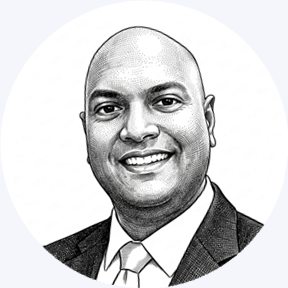
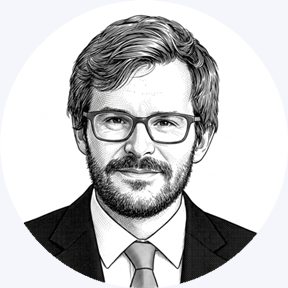
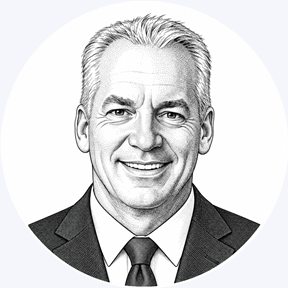
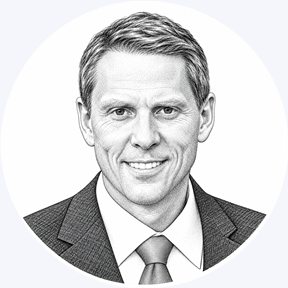
Existing investor imec.xpand joined the round. Bita Sehat joins the board, Paul Laikind becomes Chairman, and Kevin Eastwood and Joey Azofeifa join as CBO and CTO.
Trill Impact
For updates, follow Zafrens on LinkedIn.
Contact
We work with pharma, biotech and AI companies on discovery programs, data and licensing. Tell us what you’re working on.